Ready-to-Move vs Under-Construction: Which Is Better?
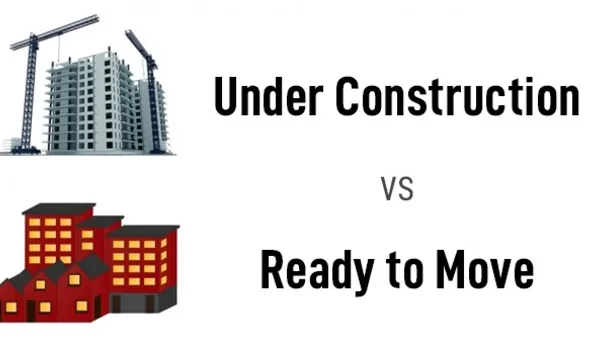
Neither is better on its own. Ready-to-move costs more and removes risk. Under-construction costs less and staggers the money. What you gain on price you pay for in waiting.
The tax treatment differs, and it is not small. A completed home with an occupancy certificate attracts no GST. An under-construction home attracts 5% without input tax credit. That gap narrows the headline discount.
Rent is the other half of the sum. A ready home can earn from month one. An under-construction home earns nothing for years. Weigh both against your own timeline.
The Price Difference and What Explains It
Under-construction stock is usually cheaper per sq ft. The discount pays you for two things. One is waiting. The other is bearing delivery risk. Prices climb as a project nears handover.
Why launch pricing is lower
A developer needs cash early. Early buyers fund the build. In exchange they get the lowest rate in the cycle. That is the whole logic of a launch price.
Why ready stock costs more
A finished building carries no build risk. The buyer can inspect the actual unit. Common areas are visible and testable. Sellers price that certainty in. So do lenders, who fund ready homes more freely.
The discount is not all profit
Count what the discount funds. It funds rent you keep paying while you wait. It funds interest on a loan against no shelter. Compare the total, not the rate card.
GST and the Statutory Costs
This is where the two paths split cleanly. GST is the single biggest structural difference. Stamp duty and registration apply to both. So does TDS above the statutory threshold.
| Charge | Under-construction | Ready with occupancy certificate |
| GST | 5% without input tax credit | None |
| Stamp duty (Karnataka) | 5% above ₹45 Lakhs | 5% above ₹45 Lakhs |
| Registration | 1% | 1% |
| TDS | 1% above ₹50 Lakhs | 1% above ₹50 Lakhs |
Read the GST row carefully. Without input tax credit, the developer cannot offset it. The buyer pays it in full. On a large ticket that is a serious sum. It should sit inside your comparison, not outside it.
One caveat matters. The exemption follows the occupancy certificate, not the look of the building. A finished tower without an OC is still under-construction for tax. Ask to see the certificate.
How the Money Is Staged
Cash flow separates the two more than price does. Ready-to-move wants the full amount at once. Under-construction spreads it over years. That suits different buyers.
Ready-to-move: one large call
You pay the down payment and the loan disburses in full. Stamp duty and registration fall due immediately. EMIs start straight away. So does possession. The outgo is heavy but short.
Under-construction: many small calls
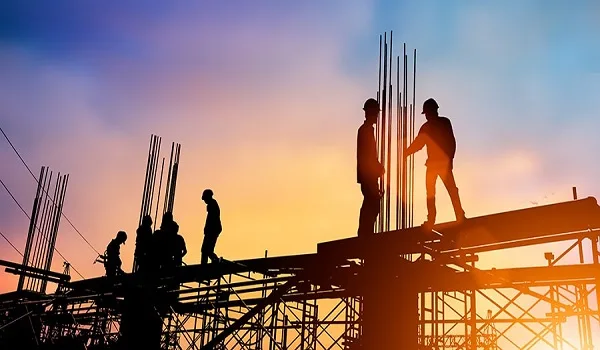
A construction-linked plan releases money against site milestones. Each call is a fraction of the price. That fits a salaried buyer saving alongside. It also ties your money to visible progress.
The rent-plus-EMI overlap
An under-construction buyer often pays rent and EMI together. Lenders disburse in tranches, so early EMIs are smaller. The overlap still stings. Model it for the full build period before you commit.
Delivery Risk Is the Real Trade
A ready home has no delivery risk. What you see is what you buy. An under-construction home carries schedule risk, specification risk and completion risk. Those risks are manageable but real.
Schedule risk
Projects slip. Approvals, labour and funding all cause delay. A slipped handover extends your rent-plus-EMI overlap. Ask how the developer's past projects ran against their stated dates.
Specification risk
A brochure lists brands and finishes. The delivered unit may differ. The registered agreement is what binds. Read the specification schedule inside it, not the marketing sheet.
What RERA Protects, and What It Does Not
RERA changed the balance for under-construction buyers. Registration is mandatory before a project is marketed. Buyer money goes into a designated account. Progress must be reported. These are meaningful protections.
- Registration number and approved plans published on the state portal
- A share of collections ring-fenced for construction of that project
- Quarterly progress updates filed by the promoter
- A declared completion date that the promoter is held to
- A route to compensation for delay under the Act
- Carpet area defined in law, so the sale is on a common basis
The limits matter too. RERA does not guarantee delivery. It gives a process and a forum. Remedies take time. Check the promoter's filing history on the Karnataka RERA portal before you rely on any of it.
Ready-to-move buyers rely on different documents. The occupancy certificate, the completion certificate and a clean title do the work. Verify all three. A ready home with no OC is a problem, not a bargain.
When the Rent Starts
An investor should count this line first. A ready home can be let immediately. An under-construction home earns nothing until handover. Every year of build is a year of no income.
| Factor | Ready-to-move | Under-construction |
| Entry price | Higher | Lower |
| GST | None with occupancy certificate | 5% without input tax credit |
| Payment shape | One large outgo | Staged over the build |
| Rent begins | Immediately | Only at handover |
| Delivery risk | None | Real, mitigated by RERA |
| What you inspect | The actual unit | A model apartment and plans |
Set the two against your own horizon. A buyer needing shelter this year should look ready. An investor with a long view can take the build risk. New launches such as Milan at Godrej MSR City in Devanahalli sell on that longer horizon. Decide which buyer you are first.
This is an informational guide, not personalised advice. Tax rates and RERA rules change. Confirm the current position with your own adviser. Verify project status on the Karnataka RERA portal at rera.karnataka.gov.in before you pay anything.
Frequently Asked Questions
1. Is GST payable on a ready-to-move apartment?
No, provided the occupancy certificate has been issued before the sale. Once the OC is in hand, the transaction is treated as the sale of a completed building. An under-construction home attracts GST at 5% without input tax credit.
2. Which option works out cheaper overall?
It depends on how long you wait and what you pay in the meantime. Add GST, rent during construction and the loan interest to the under-construction price. Compare that total against the ready price, not the headline rate.
3. Does RERA guarantee that my project will be delivered?
No. RERA mandates registration, ring-fenced funds, quarterly progress filings and a declared completion date. It gives buyers a forum and a compensation route for delay. It does not itself guarantee completion.
4. Can I get a home loan for an under-construction apartment?
Yes. Lenders disburse in tranches against construction milestones, so you pay interest only on the amount drawn. Many banks maintain approved project lists, which speeds up the process considerably.
5. What should I check before buying a ready-to-move home?
Ask for the occupancy certificate, the completion certificate and a clear title chain. Check whether the building's khata and property tax records are up to date. Inspect the actual unit, common areas and water supply.
6. When does an under-construction purchase start earning rent?
Only after handover and fit-out. Until then the asset produces no income while you fund the payment calls. That gap is the main reason investors with a short horizon lean towards ready stock.
Explore Milan at Godrej MSR City